Roofing systems form the upper boundary of a building envelope. They remain exposed to continuous environmental interaction. Surface materials receive solar radiation during the day. Temperatures change with seasonal cycles. Wind pressure moves across the roof plane. Moisture appears through rainfall or condensation.
These external conditions influence the physical state of the roof. Materials expand during heat exposure. Contraction follows during cooling periods. Fasteners respond to repeated motion. Layers within the system interact under these conditions.
The roof structure reflects cumulative exposure rather than isolated events. Each component behaves within its own material limits. The overall system remains dependent on the relationship between these parts.
Material Composition and Layer Arrangement
Roofing systems consist of multiple layers arranged in a defined sequence. The outermost layer functions as the primary surface. It receives direct environmental contact. Beneath this layer, secondary materials provide support and separation.
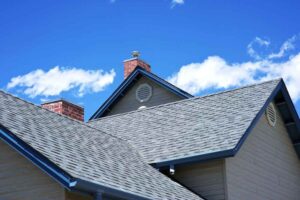
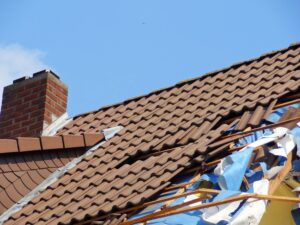
Shingles, tiles, or membranes appear as surface materials. Their physical properties differ. Asphalt shingles display granular coatings. Metal panels reflect heat differently. Clay tiles carry higher mass.
Underlayment remains positioned below the surface layer. It acts as an intermediate barrier. This layer limits moisture movement toward the internal structure. Its thickness and material type influence its behavior.
The decking layer supports the entire roofing system. It distributes weight across the structural frame. Wood-based panels often appear in this position. Their condition reflects long-term exposure to moisture and load.
Each layer interacts through contact surfaces. Movement occurs at these interfaces. This movement remains small yet consistent over time.
Thermal Movement Across Roof Surfaces
Temperature variation drives material expansion and contraction. Roofing surfaces absorb heat during daylight hours. Surface temperatures often exceed ambient air conditions. Heat distribution remains uneven across shaded and exposed areas.
Materials respond according to their thermal coefficients. Metal expands at a different rate than asphalt. Clay tiles show slower thermal response due to density. These differences create minor shifts between adjacent components.
Fastening points experience repeated stress. Expansion pulls against fixed connections. Contraction releases that tension. This cycle repeats daily.
Gaps may appear over extended periods. These gaps reflect accumulated movement. Sealants and joints respond to this behavior. Their flexibility determines how they accommodate change.
Thermal cycling operates as a continuous process. It does not depend on extreme weather alone.
Moisture Interaction and Absorption Patterns
Moisture interacts with roofing materials through multiple pathways. Rainwater contacts the surface directly. Capillary action draws water into small openings. Airborne humidity contributes to internal condensation.
Porous materials absorb limited amounts of water. Asphalt shingles contain granules that reduce direct absorption. Wood decking absorbs moisture when exposed over time. This absorption changes the material weight and structure.
Water moves along gravity-driven paths. It follows the slope of the roof. Drainage systems guide this movement away from the structure. Blocked pathways alter this flow pattern.
Trapped moisture remains within confined layers. This condition affects internal temperature balance. It also alters mechanical behavior of affected materials.
Drying occurs through evaporation. Air movement supports this process. Enclosed sections show slower drying rates.
Wind Load Distribution and Surface Response
Wind interacts with roofing systems through pressure variation. Airflow creates uplift forces along edges and corners. Central areas experience different pressure levels. These variations produce uneven stress distribution.
Roof geometry influences wind behavior. Sloped surfaces guide airflow differently than flat roofs. Edges remain more exposed. Ridge lines show concentrated interaction.
Surface materials respond to these forces through attachment systems. Nails, screws, or adhesives hold components in place. Their spacing reflects expected load distribution.
Repeated wind exposure leads to gradual loosening in some cases. Fasteners shift slightly within their positions. This shift does not occur uniformly.
Debris carried by wind introduces additional impact. Surface materials resist minor contact. Repeated impact affects protective coatings.
Wind interaction remains dynamic. Each event alters surface conditions in small increments.
Structural Load and Weight Distribution
Roofing systems carry static and dynamic loads. Static load includes material weight. This load remains constant over time. Structural framing supports this weight through defined pathways.
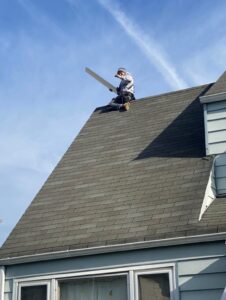
Dynamic load appears through external factors. Snow accumulation increases weight temporarily. Water pooling adds localized pressure. Maintenance activity introduces short-term load.
Load distribution depends on the structural design. Rafters and trusses transfer weight to supporting walls. The decking layer spreads surface load across these supports.
Uneven distribution may develop under certain conditions. Water accumulation creates concentrated weight zones. Material degradation alters load pathways.
Structural components respond through minor deflection. This movement remains within design tolerance under normal conditions.
Load interaction continues as long as the structure remains in place.
Surface Degradation and Material Aging
Roofing materials change over time. Exposure to sunlight alters surface properties. Ultraviolet radiation affects chemical composition. Colors fade gradually. Surface texture becomes less uniform.
Granular materials show displacement. Asphalt shingles lose granules under repeated exposure. This loss reveals underlying layers. Protective capacity reduces incrementally.
Metal surfaces oxidize when exposed to moisture and air. Protective coatings slow this process. Scratches or surface damage increase exposure points.
Organic materials respond differently. Wood components may show dimensional change under moisture variation. Repeated cycles influence structural integrity.
Aging does not occur at a uniform rate. Sections exposed to higher stress show earlier change. Sheltered areas retain original properties longer.
Material aging reflects cumulative environmental interaction rather than isolated events.
Drainage Behavior and Water Flow Patterns
Water movement across a roof follows the path of least resistance. Surface slope directs this movement toward drainage points. Gutters and downspouts collect and redirect water away from the structure.
Surface irregularities alter flow patterns. Minor depressions hold small amounts of water. These areas show longer moisture contact duration. Over time, such zones reflect higher wear.
Drainage components operate as part of the system. Blockage changes the expected flow path. Leaves or debris interrupt movement. Water accumulates behind these obstructions.
Overflow occurs when drainage capacity is exceeded. Water moves beyond designated channels. Adjacent structural elements receive unintended exposure.
Flow patterns remain consistent unless interrupted. Repeated exposure reinforces these pathways.
Conclusion
Roofing systems operate as layered assemblies under continuous environmental influence. Each component responds according to its material properties. Thermal variation drives expansion and contraction. Moisture introduces absorption and drying cycles. Wind applies variable pressure across surfaces. Structural load distributes through defined pathways.
These interactions remain interconnected. Changes in one area influence adjacent components. Movement occurs at contact points between layers. Surface conditions reflect accumulated exposure.
The system does not remain static. It evolves through repeated interaction with external forces. Material behavior, load distribution, and environmental contact shape its condition over time.