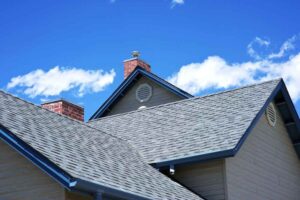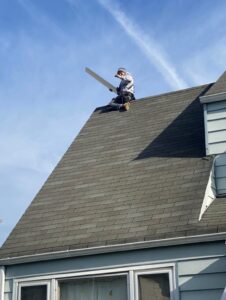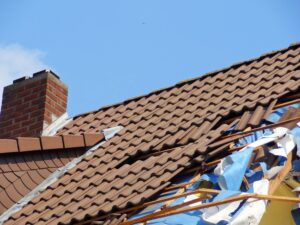
Commercial roofing in New Jersey tends to reflect the region’s climate, building stock, and construction habits. Industrial corridors, retail plazas, distribution centers, and institutional buildings each present different loading conditions and performance expectations. Over time, certain roofing systems have become common not because they are promoted heavily, but because they tend to hold up under these conditions.
In New Jersey, roofing assemblies are exposed to freeze-thaw cycles, coastal moisture in some counties, wind uplift in open areas, and seasonal heat that places steady stress on membranes and flashings. The roof remains largely unnoticed when it behaves predictably. It becomes visible only when water, movement, or thermal strain exceeds its tolerance.
Commercial Roofing Landscape in New Jersey
The state’s commercial buildings vary widely in age. Warehouses built in the 1970s sit beside newly constructed medical offices. Older structures often carry multiple roof layers from previous cycles of installation. Newer properties are designed around specific insulation values and energy codes.
Urban density in areas such as Newark and Jersey City creates tight job sites and logistical constraints. Suburban developments across Edison or Cherry Hill tend to offer broader access but larger roof footprints. Each condition shapes installation sequencing and material staging.
Roofs in these settings are not decorative elements. They function as environmental separators. Their behavior is measured in how steadily they manage water, air, and thermal movement across years of exposure.
Common Commercial Roofing Systems
Several systems appear consistently across New Jersey commercial properties. Their presence reflects long-term performance patterns rather than trends.
TPO Membrane Systems
Thermoplastic polyolefin systems remain common on large commercial decks. They are heat-welded at seams, creating continuous sheets that resist separation under normal thermal expansion. Over time, the surface may show signs of weathering, but seam integrity typically defines overall performance.
EPDM Rubber Roofing
Ethylene propylene diene monomer membranes appear frequently on older commercial structures. Their black surface absorbs heat, which influences interior load during summer months. Adhesive or mechanically attached seams behave differently depending on installation method. Long spans of uninterrupted membrane often remain stable when substrate movement is limited.
PVC Roofing
Polyvinyl chloride membranes are often selected where chemical exposure or grease discharge is present. Restaurants and processing facilities sometimes use them for that reason. The material holds its shape under sustained exposure, though flashing transitions remain the more delicate points.
Metal Roofing Systems
Standing seam metal roofs are found on certain commercial and light industrial buildings. They expand and contract visibly with temperature shifts. Fastening systems accommodate this movement when properly detailed. Over long periods, panel coatings and seam locks determine durability more than the panels themselves.
Each of these systems behaves predictably when aligned with structural design and environmental conditions. Performance variations tend to arise from substrate irregularities, edge detailing, or penetrations rather than the field membrane alone.
Structural Considerations
Commercial roofing does not function independently of the deck beneath it. Steel, concrete, and wood decks each respond differently to load and moisture. In older buildings, deflection patterns sometimes reveal themselves through ponding water. Water that remains in place alters membrane stress distribution and accelerates wear in localized areas.
Wind uplift ratings matter in open commercial zones and coastal counties. Buildings near the Atlantic shoreline encounter exposure classifications that differ from inland sites. Fastening density and edge securement reflect those classifications. Over time, perimeter zones often show the earliest signs of stress.
Insulation thickness and compressive strength influence how the membrane rests. Compressed insulation beneath mechanical units can alter slope and create subtle depressions. These changes are gradual and often visible only after repeated weather cycles.
Drainage and Water Management
Water behavior largely defines roof longevity. Even minor slope deviations can alter flow patterns. Internal drains, scuppers, and edge gutters each distribute water differently. When drains are evenly spaced and unobstructed, the roof surface dries at a consistent rate. When flow paths narrow, standing water forms predictable basins.
In New Jersey winters, freeze-thaw cycles affect these areas first. Ice expansion along seams or flashing edges introduces stress that remains after thaw. The system may continue to function, but its margin narrows slightly each season.
Expansion joints accommodate building movement. Without them, long roof spans transmit structural shifts directly into membrane fields. Where joints exist, they create controlled movement lines that remain stable if properly integrated.
Code and Compliance Environment
Commercial roofing installations in New Jersey operate under statewide building codes derived from international standards and modified at the state level. Energy efficiency requirements influence insulation thickness and air barrier integration. Fire ratings determine acceptable assembly combinations.
Municipal review processes vary by jurisdiction. In more densely regulated areas, documentation tends to be extensive. In less urban settings, inspection cycles may be shorter. The structure of compliance influences scheduling more than material choice.
Permitting does not change how a membrane behaves, but it shapes how assemblies are documented and verified. Records from installation often become reference points years later when ownership changes or additional rooftop equipment is introduced.
Installation Realities
Installation conditions affect commercial roofs in ways not always visible from the ground. Weather windows are finite. Membranes respond differently to cold or high humidity during placement. Adhesives cure at different rates depending on temperature.
Material staging on active commercial properties requires coordination with ongoing operations. Distribution centers and medical facilities often remain occupied throughout installation. Work sequencing adjusts around access routes and safety corridors.
The finished system may appear uniform, yet beneath it lies a sequence of decisions shaped by substrate condition, weather timing, and structural alignment. These variables tend to influence long-term behavior more than minor brand differences.
Lifespan Patterns
Commercial roofing systems do not fail uniformly. Aging usually appears in concentrated areas first. Perimeters, penetrations, and mechanical curbs show movement earlier than open membrane fields. Over time, surface granule loss or membrane thinning may become visible, yet these changes alone do not always indicate immediate system decline.
Performance tends to taper rather than collapse. Water infiltration, when it occurs, often begins at transition details rather than through the central membrane. Buildings with consistent drainage and limited structural movement generally exhibit longer service intervals.
Replacement cycles are shaped by observed condition, not simply by age. Two roofs installed in the same year may diverge in performance if their loading patterns differ.
Regional Climate Influence
New Jersey’s seasonal variation introduces repeated thermal cycling. Summer heat expands materials. Winter contraction reverses that movement. Over decades, this expansion-contraction rhythm influences seam behavior and fastener tension.
Snow accumulation patterns vary across northern and southern counties. Roofs in inland northern regions may carry snow loads longer than coastal buildings. Load duration affects deck deflection and insulation compression.
Humidity near coastal areas introduces salt exposure. While most membrane systems resist corrosion, metal components such as fasteners and edge trims respond differently over time.
These environmental factors remain constant. Roofing systems that align with them tend to show steadier performance across service life.
Closing Observations
Commercial roofing in New Jersey reflects regional climate, structural variation, and installation conditions more than brand identity. Systems that align with deck structure, drainage layout, and exposure classification generally remain stable across years of seasonal movement.
The roof’s presence is quiet when it behaves as expected. It holds its line against water and air. Its seams remain closed. Its edges resist lift. In most cases, its performance is measured not in appearance but in the absence of intrusion.