Roof leaks rarely show up dramatically. Most of the time, they begin quietly. Water finds a weak point, slips through, and keeps moving until it reaches somewhere visible. By then, the damage is often underway. Insulation may be damp. Wood framing could be softening. Drywall absorbs moisture faster than most people expect.
Catching a leak early is less about luck and more about paying attention. When small signs are noticed and treated, repair is usually easier. When they are missed, the cost tends to rise quickly.
Why Even Small Roof Leaks Matter
A slow leak can be more damaging than a sudden one. Water that enters a house a little at a time spreads into materials that are not meant to stay wet. Over weeks or months, this weakens the roof structure and the areas beneath it.
Moisture also creates the right conditions for mold. Once mold begins growing inside insulation or wall cavities, it becomes harder to remove. Often, affected materials must be replaced entirely.
There is also the issue of energy loss. Wet insulation does not perform as it should. Homes may feel colder in winter or warmer in summer, even when the heating or cooling system is working normally. All this often goes back to a roof issue that started small.
How Roof Leaks Usually Begin
Most roof leaks come from familiar trouble spots. They are not random. Knowing where problems tend to develop makes them easier to catch.
Shingles That Are No Longer Doing Their Job
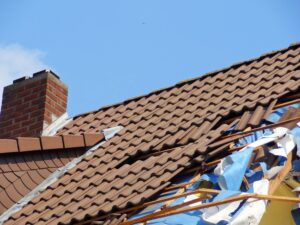
Shingles take the most direct hit from sun, wind, rain, and snow. Over time, they dry out, crack, or lift at the edges. A single missing or broken shingle can be enough to let water through, especially during heavy rain or strong wind.
Sometimes the damage is not obvious from the ground. A shingle may look fine but has loosened just enough to allow water underneath.
Flashing That Has Aged or Shifted
Flashing seals the seams around chimneys, vents, skylights, and roof intersections. These areas move slightly as temperatures change. When flashing wears down or pulls away, water often follows.
Leaks around flashing are common and often missed. The materials may still be in place, but the seal is no longer tight.
Gutters That Hold Water Instead of Moving It
When gutters clog, water backs up. Instead of flowing off the roof, it pools along the edge. Over time, this water works its way under shingles or into the roof deck.
This kind of leak tends to show up after long or heavy rain, rather than light showers.
Older Roofing Materials
Every roof has a lifespan. As materials age, they lose flexibility and strength. Even if the roof looks fine from a distance, aging materials may no longer keep water out the way they once did.
Early Signs That Should Not Be Ignored
Leaks often leave hints before they become obvious. These signs are easy to overlook, especially if they appear briefly or fade between storms.
Inside the Home
- Light brown or yellow stains on ceilings
- Paint that bubbles or flakes near the ceiling
- A damp or musty smell in upper rooms or closets
- Insulation that feels wet in the attic
Water does not always drip straight down. It can travel along beams or wiring before showing itself.
On the Outside
- Shingles that appear uneven or curled
- Rust or gaps around flashing
- Granules collecting in gutters
- Sections of the roofline that seem slightly uneven
Not every issue means there is an active leak, but each one deserves attention.
Finding Where the Water Is Coming From
Locating the source of a roof leak takes patience. The spot where water appears indoors is often not where it enters the roof.
Looking in the Attic
The attic is usually the best place to start. On a dry day, look for dark marks on wood or compressed insulation. During daylight, small pinpoints of light can sometimes be seen where the roof deck has been compromised.
After rainfall, moisture trails may be visible. These trails often point back toward the entry point.
Checking Roof Openings
Chimneys, vents, and skylights should be checked carefully. These areas rely on sealants and flashing, both breaking down over time. Even a narrow opening can allow water in during wind-driven rain.
Paying Attention to Timing
Leaks that appear only during heavy storms suggest surface damage. Leaks that show up during snowmelt or after long cold spells may point to drainage issues or trapped moisture.
Patterns matter more than single incidents.
Short-Term Steps to Reduce Damage
Temporary measures can help limit interior damage, but they are not repairs. They buy time, nothing more.
Managing Water Indoors
Buckets, towels, and plastic sheeting can help direct water away from ceilings, floors, and furniture. This prevents secondary damage while the roof issue is addressed.
Clearing Gutters
Removing leaves and debris allows water to move off the roof as intended. In some cases, this alone reduces active leaking caused by overflow.
Temporary Patching
Roofing cement or waterproof tape may slow a leak if applied correctly. These materials are not meant to last, and relying on them for too long often leads to bigger problems later.
When Professional Repair Is the Right Call
If a leak has been confirmed, professional repair is usually the safest option. A roofing contractor can assess not only the visible damage, but also the surrounding areas that may have been affected.
Repairs might involve replacing shingles, resealing flashing, or addressing damage beneath the surface. The earlier this work is done, the more limited the repair tends to be.
After severe storms, inspections are especially important, even if no leak is immediately visible.
Reducing the Risk of Future Leaks
Prevention is mostly about consistency. Small maintenance tasks add up.
Regular inspections help catch wear before it becomes a failure. Gutters that are kept clear reduce water buildup. Minor repairs handled promptly often prevent larger ones later.
A roof does not need constant attention, but it does need periodic care.
Conclusion
A roof leak is usually the result of wear, weather, and time working together. When signs are noticed early and acted on, the damage stays limited.
The roof’s job is quiet and unremarkable. When it begins to fail, the effects spread rapidly. Paying attention, even when the signs seem minor, goes a long way toward keeping a home dry and stable.