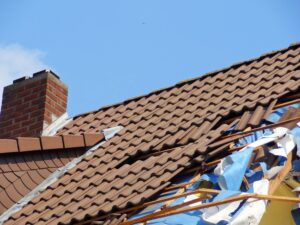
Roof systems continue to experience the effect of constant water flow during heavy rainfall periods. Water runoff is experienced over the shingles, flashing portions, valleys, and drainage edges when the intensity of the rainfall exceeds ordinary. The flow of water is altered with continuous exposure.
The roof system works with integrated components. The exterior components divert water from entering the envelope of the building. The underlayment, decking, flashing, guttering, and ventilation portions continue to be part of one moisture management system. Heavy rainfall alters the functioning of the sections over time.
Damage is not always seen instantly.
Water Movement Across Roofing Surfaces
Water moves down the slope of the roof towards its drainage point under regular atmospheric conditions. However, during heavy rainfall, it is the amount and intensity of water movement that changes. The rate at which water flows increases significantly in the valley, on low-slope transitions, and roof penetrations, once water begins to exceed the drainage ability of the surface.
During extended storm periods, asphalt shingles will be exposed to constant wetness. Granules get loosened slowly over time due to prolonged runoff action. During dry seasons following a period of rainfall, there will be uneven drying of certain parts of the roof surface. There might also be instances where parts of the shingles begin to uplift due to the buildup of water underneath.
There will be increased pressure in the roof valleys due to the concentration of water flow into this area.
Drainage System Conditions
The gutters regulate the water discharge process from the roof system following water accumulation at the surface and movement towards the end. High levels of rainwater increase the water load moving through gutters and pipes for shorter durations. The speed of water flow increases as the channel’s capacity is reached.
Water buildup affects the drainage pattern. The leaves, sedimentation, and roof particles reduce the effective flow area in the channels. Overflow becomes common where water flow is slowed due to heavy rains.
Water accumulation may be observed near the ends of roofs following storms. Moisture increases at the edges of the roof fascia and lower rows of the roof shingles. Water flow reverses to the roof underside when overflow occurs.
Downspout behavior is different with restricted water discharge. Uneven water flow patterns become common near the edges of buildings. Increased soil saturation occurs at the edges of building foundations following high water concentrations.
Such patterns occur due to recurring weather events.
Roof Decking and Structural Moisture Exposure
Roof decking is still placed underneath the visible roofing surface. Water infiltration can enter this level of roof structure due to flashing gaps, detached shingles, or prolonged saturation of edges caused by heavy rainfall conditions.
Decking absorbs water slowly. This results in darkened appearance near joints and fasteners because of multiple moisture exposure cycles. Decking softens in some portions due to prolonged moisture exposure.
Movement can occur beneath the roof surface because of moisture alterations of the material condition. Warping takes place in specific locations. Fastener stability decreases where wood fibers are wet for long exposure periods.
There are no noticeable changes on the visible roofing surface in terms of performance.
Flashing Performance Under Rainfall Conditions
Flashing components divert water from roof penetration points and transition sections. Metal flashing experiences continuous thermal expansion and contraction because of varying temperatures throughout the season. Sealants used for sealing flashing portions experience gradual drying after prolonged exposure.
Water infiltration becomes greater when roof transitions experience excessive pressure during rainfall. Water seepage occurs at openings adjacent to chimneys, skylights, ventilation pipes, and wall joints after changes in flashing alignment and detachment of sealants. Moisture travels under shingles after prolonged water exposure.
Interior Moisture Conditions
Rainfall at times impacts interior materials once water penetration goes beyond the roofing material on the outer surface of the building. Ceiling surfaces absorb moisture slowly from leakages. Moisture-induced paint splitting occurs in localized spots due to cycles of exposure.
Drywall becomes soggy once water remains within enclosed cavities. Uneven staining occurs along ceiling joints, lighting fixtures, or upper wall surfaces. Insulation that is wet causes changes in airflow in attics.
Framing made of wood responds slowly to moisture exposure. Discoloration happens near the connections between the roof deck and enclosed areas. Sometimes there is warping of materials due to saturation.
Such conditions tend to go unnoticed at first.
Surface Growth and Material Aging
Repeated exposure to moisture will alter roof surface characteristics over time. The growth of moss and algae is common in parts of the roof that stay wet after it rains heavily. Roof sections that are shaded take more time to dry compared to those that are not shaded.
Having organic materials will further affect drying. Organic materials such as leaves tend to hold moisture against the shingles when water movement slows in the valleys and low parts of the roof.
Patterns of roof aging are influenced by roof drainage properties, climate conditions, roof orientation, and vegetation density.
The process of material behavior is normally gradual.
Wind and Rain Interaction
In many cases, heavy rains come with strong winds. Wind affects water flow direction on the roof surface. Water will reach joint points directly in slanted water flow.
The shingle tabs behave differently when exposed to wind lift pressure along with constant water contact. In many cases, some edges will lift up slightly from the roof surface after several rains.
Water flows under these areas quite easily during future rains. It will be evident that surface behavior has remained consistent while water movement persists underneath the roof.
These phenomena tend to be random on roofs.
Conclusion
Heavy rain affects roofs through changing runoff patterns, prolonged moisture exposure, drainage stress, and surface saturation. Roofing materials, flashing sections, gutters, decking, and interior structures remain connected through these water movement cycles.
Most visible changes appear gradually after repeated rainfall exposure rather than isolated storms. The roof surface often reflects longer-term drainage behavior across the broader roofing system.