Your roofing system protects your house from all four seasons. But, the weather in New Jersey can change drastically throughout the year and can put a lot of stress on roofing materials. Every season has its own set of challenges, including freezing winters and heavy snowfalls, hot summers and severe rainstorms, all of which can shorten the lifespan of your roof if not properly maintained.
Understanding the effects of seasonal weather on your roof helps homeowners take preventative action, schedule timely roof inspections and avoid costly repairs. Regular maintenance will not only improve the durability of the roof, but also help maintain the long-term performance of your entire roofing system.
Winter Weather Can Cause Serious Damage to Your Roof
Winter is one of the hardest seasons for any home’s roofing system. They are under constant pressure from heavy snowfall, freezing temperatures and repeated freeze-thaw cycles.
During the day , snow melts and then freezes back overnight , creating ice dams along the roof edges . These ice barriers prevent melting snow from draining properly and water backs up under the asphalt shingles. Therefore, homeowners may be confronted with roof leaks, water infiltration and interior water damage.
Older shingles are more likely to crack or come loose when the cold weather causes thermal contraction. Ignoring these issues can cost you dearly in the end, in the form of costly roof replacements.
Hidden Roofing Problems Exposed by Spring Rain
Spring is a time of frequent heavy rain, so this is one of the best times to find hidden roofing issues. Rainwater can enter the roof deck through small openings around roof flashing, damaged shingles or worn sealants.
Moisture can eventually find its way into the insulation, ceilings, walls and wood framing, causing damage. Homeowners may also see water stains, mold or mildew inside the house before knowing the roof has been compromised.
Spring is a good time to schedule a professional roof inspection. Roofing experts are able to search for the early signs of roof wear and tear, repair any damaged parts and make sure your roof is ready for the warmer months ahead.
Mid-summer heat ages roof faster
While summer often brings clear skies, prolonged exposure to UV rays and extreme heat gradually wears down roofing materials. Asphalt shingles become brittle with repeated UV damage, so they’re more prone to cracking, curling and losing their granules.
Excessive heat build-up under the roof is also caused by high attic temperatures. Without proper roof ventilation and attic ventilation, trapped heat speeds up the aging process and reduces overall roof performance.
Good insulation in the attic and proper ventilation help to regulate indoor temperatures and also protect the roof from unnecessary stress during the hottest months of the year.
Fall is the time to look after your roof
Fall is the perfect time for homeowners to perform preventative roof maintenance before the winter arrives.
Leaves, twigs and other debris tend to accumulate on the roof and inside the gutters. Also, blocked gutters and downspouts can reduce the effective flow of water off the roof, causing water to pond on the roof surface during heavy rain.
Regular roof cleaning, gutter cleaning and removal of debris can help with proper drainage and the prevention of moisture-related damage. It’s also important to get all of your tree-trimming done before winter storms when falling limbs can damage your shingles, roof flashing and other roofing components.
High Winds and Severe Weather Can harm Roofing Systems
Severe storms are a regular occurrence in New Jersey throughout the year. Strong winds, hail and heavy rainstorms can often cause extensive storm damage that may not be readily apparent.
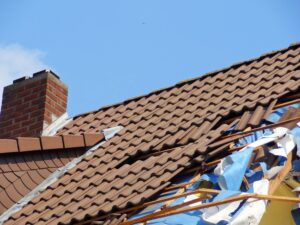
Strong winds can loosen or tear off roof shingles exposing the roof membrane and damaging roof penetrations around vents and chimneys. The lack of roofing materials leaves the home susceptible to water infiltration and long-term structural damage to the roof.
Moisture can cause long-term structural damage
Moisture is the number one enemy of any roof system. This moisture can find its way through damaged flashing, worn shingles, or poor ventilation. This trapped moisture can slowly degrade the structural integrity of your roof.
Excess moisture encourages mold, mildew, algae, and even moss, especially in shaded areas where the roof stays moist for long periods of time.
Long term exposure to moisture can damage the roof structure, degrade the insulation efficiency and lead to costly roof failure if repair is postponed.
Schedule Regular Roof Inspections to Protect Your Investment
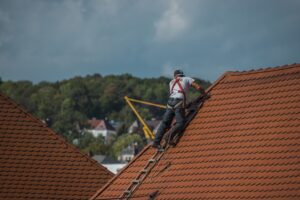
A regular maintenance schedule is your best defense against weather-related roofing problems. Schedule a professional roof inspection at least once a year and after severe storms.
During an inspection, a qualified roofing contractor will check roof flashing, roof shingles, roof valleys, roof penetrations, gutters, ventilation systems and the general condition of the roof deck.
Early detection provides home owners time to get to roof repair before small problems become expensive emergencies. Preventive Maintenance Prolongs Life of Roofing Material and Lowers Future Repair Costs
When to Get a New Roof
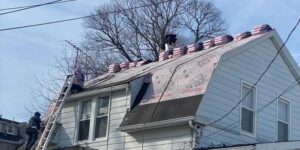
Routine maintenance can go a long way toward extending roof life, but all roofs eventually reach the end of their service life. If your roof is old, has had multiple leaks, has major structural issues, or has been badly damaged by a storm, it may be time to think about replacing your roof rather than repairing it.
A professional roofing contractor will be able to assess the condition of your roofing system and advise whether emergency roof repair or complete roof replacement is the best economical solution.
New Jersey’s ever-changing weather is better protected by a new roof installation with quality roofing materials, plus increased energy efficiency and property value.
Conclusion
New Jersey’s changing climate forces all roofing systems to face a variety of weather conditions such as heavy rain, high winds, heavy snowfalls, freeze-thaw cycles, and intense UV rays. Every season has its own challenges that can affect the lifespan of your roof, increase chances of roof leaks and the durability of your roof.
By investing in preventative roof maintenance, scheduling regular professional roof inspections, maintaining proper roof ventilation, and working with an experienced roofing contractor, homeowners can minimize weather-related damage and keep their roofs performing efficiently for many years. Getting ahead of it today means fewer costly repairs tomorrow and a home that is protected through each season.