Hailstorms can pass through in just a few minutes, but the damage they leave behind can affect your roof for years. While broken windows and dented vehicles are easy to notice, roof damage is often much harder to spot. In many cases, hail weakens roofing materials without causing immediate leaks, allowing moisture to slowly penetrate your home over time.
Knowing how to inspect your roof after a hailstorm can help you catch problems early and avoid more expensive repairs later. However, it’s equally important to understand the difference between visible cosmetic damage and functional damage that actually affects your roof’s performance.
This guide explains what hail does to different roofing materials, how to safely inspect your roof, and when it’s time to schedule a professional inspection.
Why Hail Damage Should Never Be Ignored
Not every hailstorm causes severe roof damage, but even moderate impacts can shorten the lifespan of your roofing system.
When hail strikes a roof, it may remove the protective surface, crack roofing materials, or weaken areas that eventually allow water to enter your home. These problems may not become obvious immediately, especially if the damage is hidden beneath shingles or around flashing.
Ignoring hail damage can lead to:
- Roof leaks
- Water damage inside the home
- Mold and mildew growth
- Rotting roof decking
- Reduced roof lifespan
- More costly repairs in the future
The sooner damage is identified, the easier and more affordable it usually is to address.
How Different Roofing Materials Respond to Hail
Every roofing material reacts differently when struck by hail. Understanding these differences helps homeowners know what to look for after a storm.
Asphalt Shingles
Asphalt shingles are among the most common residential roofing materials. Hail impacts can knock away the protective granules that shield the shingles from sunlight and weather.
Once these granules are lost, the asphalt underneath becomes exposed to UV rays, causing the shingles to age more quickly. Over time, they may crack, curl, or develop leaks.
Metal Roofs
Metal roofs are highly durable, but they are not immune to hail.
Smaller dents are often cosmetic and may not affect performance. However, larger hailstones can damage protective coatings, deform seams, or create weak points where water may eventually enter.
Tile Roofs
Clay and concrete tiles are strong but brittle.
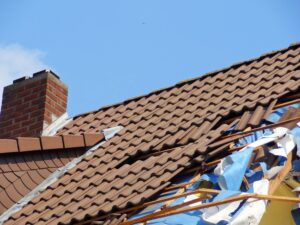
A direct hail impact can crack or fracture individual tiles, creating an immediate pathway for water. Even small cracks should be repaired before they expand.
Wood Shake Roofs
Wood shingles and shakes can split or become punctured during a hailstorm.
Once moisture enters these damaged areas, wood rot, mold, and structural deterioration can develop much faster.
Cosmetic Damage vs. Functional Damage
One of the biggest misconceptions homeowners have is assuming every dent or mark requires a roof replacement.
In reality, roofing professionals focus primarily on functional damage.
Functional damage means the roof’s ability to protect your home has been reduced. Examples include:
- Cracked roofing materials
- Missing protective granules
- Broken flashing
- Exposed underlayment
- Water intrusion
- Compromised roof components
Cosmetic damage, on the other hand, may include small dents or surface marks that do not affect the roof’s performance.
Understanding this distinction helps homeowners make informed decisions instead of replacing a roof unnecessarily.
Start Your Inspection From the Ground
Safety should always come first.
Instead of climbing onto the roof immediately after a storm, begin by looking around your property for signs that hail was severe enough to cause damage.
Check for:
- Dented vehicles
- Damaged mailboxes
- Marks on garage doors
- Broken outdoor furniture
- Torn leaves and damaged landscaping
- Dented air conditioning units
If nearby surfaces show little or no damage, your roof may also have escaped major impacts.
Ground-level observations provide valuable clues before inspecting the roof itself.
Inspect Gutters, Flashing, and Metal Components
Metal surfaces usually reveal hail impacts more clearly than shingles.
Take a close look at:
- Gutters
- Downspouts
- Roof vents
- Chimney caps
- Flashing around skylights and chimneys
Look for:
- Circular dents
- Fresh scratches
- Chipped paint
- Exposed metal
- Signs of impact
Because these materials don’t hide dents easily, they often provide the earliest indication that the roof experienced hail.
Check the Roof Without Walking on It
Many homeowners assume they should climb onto the roof after every storm.
In reality, walking on a potentially damaged roof can create additional problems and increase the risk of injury.
Instead, inspect the roof from:
- A sturdy ladder
- An upper-story window
- A drone, if available
- The ground using binoculars
Look for common signs of hail damage such as:
- Random circular impact marks
- Areas where granules are missing
- Dark spots where the asphalt is exposed
- Cracked or broken shingles
- Soft bruised areas that appear depressed
Unlike normal wear, hail damage usually appears in scattered patterns rather than evenly across the roof.
Don’t Forget to Check Inside Your Home
Not all hail damage is visible from outside.
Sometimes the first evidence appears inside the home after moisture begins entering through damaged roofing materials.
Inspect your ceilings and attic for:
- Water stains
- Damp insulation
- Mold growth
- Musty odors
- Peeling paint
- Light shining through roof decking
Even a small leak can eventually lead to costly structural repairs if left untreated.
When Should You Schedule a Professional Roof Inspection?
Some roofing issues simply cannot be identified without professional training.
A roofing contractor should inspect your roof if:
- A recent hailstorm passed through your area
- You notice visible roof damage
- Your roof is several years old
- Water stains have appeared indoors
- You plan to file an insurance claim
- You want peace of mind after severe weather
Professional inspections often uncover hidden issues homeowners may overlook.
What Happens During a Professional Roof Inspection?
Professional roofing inspections involve much more than a visual walk-around.
An experienced contractor may perform:
Detailed Roof Assessment
Each roof section is carefully examined for impact damage, aging, and structural concerns.
Test Square Evaluation
Rather than judging the entire roof at once, roofing professionals inspect defined 10-foot by 10-foot sections known as test squares.
This standardized approach helps determine whether hail damage is isolated or widespread.
Photo Documentation
Detailed photographs document every damaged area.
These images become valuable if insurance documentation is required later.
Damage Mapping
Inspectors identify which roof slopes experienced the greatest impacts and record the severity of damage throughout the roofing system.
This thorough process provides homeowners with a clear understanding of their roof’s condition.
Common Mistakes Homeowners Make After a Hailstorm
Many roofing problems become worse because homeowners unknowingly make avoidable mistakes.
Some of the most common include:
Waiting Until a Leak Appears
Visible leaks often indicate damage has already progressed significantly.
Early inspections can prevent larger repairs.
Assuming Every Dent Means Replacement
Not all hail impacts require a new roof.
Many roofs only need localized repairs depending on the extent of the damage.
Hiring the First Contractor Who Knocks
After major storms, some areas experience an influx of temporary roofing companies.
Always choose a licensed, insured contractor with a strong local reputation.
Failing to Document Damage
Taking photographs immediately after a storm can be extremely helpful if insurance claims become necessary.
Good documentation also helps roofing professionals compare damage over time.
How Regular Roof Inspections Protect Your Investment
Even if no obvious damage is found after a hailstorm, regular inspections remain one of the best ways to protect your home.
Routine roof evaluations can identify:
- Small cracks before they spread
- Loose flashing
- Aging shingles
- Drainage problems
- Early signs of moisture intrusion
Addressing these issues early helps extend the life of your roof while reducing long-term maintenance costs.
Does Hail Size Always Determine the Amount of Roof Damage?
Many homeowners assume that larger hailstones always cause more damage, but that’s not necessarily true. Several factors influence the severity of roof damage, including wind speed, the angle at which the hail strikes, the age of the roof, and the type of roofing material. Even smaller hailstones can cause significant damage if they are driven by strong winds or hit an older roof that has already experienced years of weather exposure.
Because every storm is different, it’s important not to judge your roof’s condition based solely on the size of the hail. A professional inspection can determine whether your roof has sustained functional damage that requires attention.
Final Thoughts
Hail damage isn’t always easy to recognize, but overlooking it can lead to expensive repairs and unnecessary stress. A careful inspection begins with looking for signs around your property, followed by checking gutters, metal components, and your home’s interior for evidence of damage.
While homeowners can perform a basic visual inspection safely, hidden roof damage often requires the trained eye of a professional. If your home has recently experienced a hailstorm or you suspect your roof may have been affected, scheduling a professional inspection is the best way to determine whether repairs are needed.
Acting early can help preserve your roof, protect your home, and give you confidence that your roofing system is ready for the next storm.