Your roof is one of the most important parts of your home, but also one of the most expensive to repair or replace. So when you see a leak, missing shingles or storm damage, the first question that pops into your head is a simple one: Should you repair the roof or replace it entirely?
The answer depends on several factors, including the age of your roof, the severity of the damage, the roofing material, and your long-term plans for your home. A repair may fix small problems quickly, but sometimes it is better to invest in a full replacement, which can save you more money over the long run.
This guide will assist you to understand the differences between roof repair and roof replacement so that you can make an informed decision confidently.
Understanding the Difference Between Roof Repair and Roof Replacement
Both of these services will help improve the condition of your roof, but they serve different purposes.
Roof repairs are the correction of trouble spots without replacing the whole roof system. Typical repairs include replacing damaged shingles, fixing flashing, sealing leaks or fixing storm damage.
When you replace a roof, the old roofing materials are taken off and a new roofing system is installed. That includes new underlayment, shingles, flashing, vent components and sometimes replacing damaged roof decking.
The right option will depend on whether the problem is isolated or whether the roof has reached the end of its useful life. Before recommending either solution, roofing professionals typically consider the age of the roof, extent of damage, history of repairs and overall condition.
Signs Your Roof Only Needs Repairs
Not every roofing issue needs a complete replacement. Many times a timely repair can save your roof and extend its life.
You might only need repairs if your roof has had:
A Few Missing or Damaged Shingles
A few shingles can be blown or lifted off by major storms and high winds. Usually, if the rest of the roof is in good shape, replacing those shingles will be enough.
A Small Leak
Leaks often begin near roof vents, flashing, chimneys or skylights. Usually, identifying the source will allow a targeted repair that will stop water intrusion before it spreads.
Localized Storm Damage
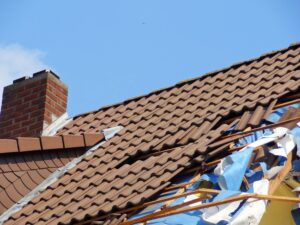
Hail, falling branches or other debris can damage one portion of your roof, while the rest of the structure is left untouched.
Minor Flashing Problems
Metal flashing protects sensitive areas around roof penetrations. Flashing that has come loose or corroded can often be replaced to stop leaks without major roofing work.
Your Roof Is Still Relatively New
In the first decade, most asphalt shingle roofs still have many years of life left. If your roof is under 15 and the damage is minor, repairs are typically your best bet.
When Roof Replacement Is the Better Investment
Sometimes fixing a roof is just delaying the inevitable. If your roofing system is failing in multiple places, replacement generally provides a better value in the long term.
Here are some typical scenarios where replacement is the smarter choice.
Multiple Leaks
Multiple leaks in various rooms or areas of your home typically signify widespread roofing failure rather than a single isolated problem.
Aging Roofing Materials
Even well-maintained roofs eventually wear out. Old shingles become brittle, lose their protective granules, and curl and crack.
Widespread Shingle Damage
If you notice large sections of shingles that are curling, blistering, cracked or missing, replacing individual shingles may not be effective anymore.
Recurring Repairs
You’ve patched your roof more than a few times in the last few years, and the problems keep coming back. Those repair bills can add up fast.
Structural Damage
Sagging sections of roof, soft decking, mold growth or water-damaged wood typically necessitate complete replacement to help restore the structural integrity of your home.
Replacements for roofs also provide the additional benefits of new manufacturer warranties, enhanced weather protection, enhanced energy efficiency and more curb appeal.
Consider the Age of Your Roof
One of the biggest determinants is your roof’s age.
Different types of roofing materials have different life expectancies:
| Roofing Material | Typical Lifespan |
| Asphalt Shingles | 20–30 years |
| Metal Roofing | 40–70 years |
| Wood Shake | 25–30 years |
| Clay or Concrete Tile | 50+ years |
| Slate Roofing | 75–100+ years |
If your roof is near the end of its expected lifespan, paying for repairs might only delay a replacement that will be needed soon.
In contrast, a new roof that is relatively undamaged can often do quite well for many years to come after professional repairs.
Comparing the Long-Term Costs
Many homeowners focus on the initial cost, but the long-term expenses are just as important.
Typically, roof repairs are much cheaper up front than a replacement. However, constant repairs to an old roof can cost more and more over time.
For example, fixing a leak today might solve one problem, but if more leaks appear in the coming years, you could be spending thousands and still need a full replacement.
A new roof is a bigger initial investment but it also offers:
- Increased longevity
- Reduced maintenance costs
- Higher energy efficiency
- Property values increased
- Better weather protection
- Manufacturer and workmanship warranties
A good rule of thumb is if the repair costs are reaching about half the price of a replacement, then it’s often the better financial choice to put on a new roof.
Can Insurance Help Cover the Costs?
Many homeowners ask if insurance will cover roof work.
What caused the damage? The answer is, it depends.
Insurance often covers damage, including:
- Wind Storms
- Hail
- Downed Trees
- Fire
- Certain severe weather events
However, damage caused by the following is typically not covered by insurance:
- Normal aging
- Lack of maintenance
- Poor installation
- Wear and tear
If your roof has been damaged by a storm recently, get a professional inspection as soon as possible. An experienced roofing contractor can document the damage and assist with the process of determining if an insurance claim might be warranted.
Why a Professional Roof Inspection Matters
Most roofing issues are not seen from the ground.
What appears to be a small leak inside your home could actually be caused by damage flashing several feet away. Missing shingles could also have allowed water to damage the roof decking below.
Professional Roof Inspection Consists of:
- Condition of the roof as a whole
- Shingle wear
- Integrity flashing
- Ventilation of roofs
- Signs of moisture ingress
- Decking condition
- Stability
- Gutters and drainage
This comprehensive assessment can aid you in establishing if repairs will be a permanent solution or if replacement is a more feasible investment.
Questions to Ask Before Making Your Decision
Before you decide on repairs or replacement ask yourself:
- What is the age of my roof?
- Is the damage confined to one area?
- Have I patched this roof several times already?
- Am I planning on living in this house for years?
- You still got that roof warranty?
- Are repair costs still rising?
- Did a professional inspection confirm the source of the problem?
Answering those questions can help you make a decision.
Benefits of Choosing the Right Roofing Contractor
Whether you need a full repair or replacement, quality of work is as important as the materials.
- A professional roofing contractor can:
- Find hidden damage accurately
- Only suggest work your roof really needs
- Use quality roofing materials
- Proper installation and ventilation
- Providing assurances for extra peace of mind
Plus, having a trusted local roofing company means you will have someone to call if you ever have any questions – or need future maintenance.
How Regular Roof Maintenance Can Delay Replacement
Routine maintenance can help you avoid unexpected expenses and greatly increase the life of your roof. Simple maintenance work like removing debris, cleaning gutters, inspecting shingles after storms and addressing small leaks early on can save you from more serious structural problems.
A good investment is to schedule a professional roof inspection once or twice a year. Catch worn flashing, damaged sealants or loose shingles early and it often means a simple repair instead of a costly replacement. Even if your roof is in good shape now, regular maintenance helps protect your home and preserve the value of your roofing system.
How a New Roof Can Increase Your Home’s Value
If you’re planning to sell your home in the next few years, investing in a new roof is a good idea. Buyers frequently see an older roof as a future expense, which can lead to lower offers or a longer time on the market.
A newly installed roof improves curb appeal, boosts energy efficiency and provides prospective buyers with the peace of mind that they won’t have to worry about major roofing problems anytime soon. Modern roofing materials and manufacturer warranties make a new roof a compelling selling point that adds value and peace of mind.
Conclusion
Roof Repair vs Roof Replacement: What’s the Difference? While a repair is best for newer roofs with isolated problems, a total replacement is often a better solution for older roofs that are deteriorating throughout.
Instead of just looking at the price, consider the age of your roof, the extent of the damage, what you want to do in the future, and the long-term value each option will bring.
If you’re undecided about which solution is ideal for your home, the best place to start is with a professional roof inspection. A roofer with experience can look at your roof, tell you clearly about your choices and guide you to the option that gives the best protection for your home and budget.