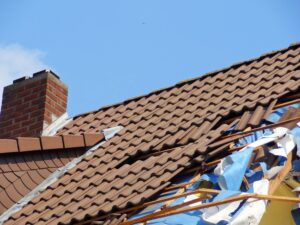
Roofing systems continue to be exposed to various environmental conditions year-round. Temperature change, water precipitation, wind force, surface contamination, and water migration slowly degrade roofing materials in various parts of the building structure. Some of these conditions surface. While others slowly develop beneath shingles, flashing, and roofing deck materials.
A roof inspection identifies how materials respond to such degradation. Roof inspection generally centers on surface appearance, drainage flow, flashing integrity, structural alignment, and possible moisture exposure. The frequency of the inspection usually depends on the age of the roof, environmental conditions, roofing materials, and climatic exposures.
Changes in the roof structure occur progressively and not as isolated instances.
Seasonal Weather Exposure
The effects of seasonal weather patterns on roofs are ongoing and continuous. Increased rainfall affects how the water is shed from the shingles, valleys, flashing areas, and drain areas of the roof. The wind pressure impacts the corners of the roof, the ridge lines, and lower parts of the roof when the winds are more intense.
Temperature changes also affect how materials perform. The roof materials expand during periods of increased warmth, while contraction occurs following exposure to lower temperatures.
Some roofs are still strong structurally even though the roof’s appearance is deteriorating. Other roofs have weak spots underneath the outer roof covering.
Inspection patterns tend to explain exposure.
Roof Age and Material Condition
There is an expected difference between old and new roofs. Granules on asphalt roofing fade away after years of exposure to weather. The materials can also become stiffer due to ultraviolet exposure.
The sealants within the flashing area tend to undergo gradual changes. This includes separation from the rest of the roof, especially around penetrations and valleys after temperature fluctuation cycles.
Older decking material will also have an effect under continuous exposure to moisture. This occurs if ventilation and drainage are poor along the edge of the roof.
Material conditions vary unevenly across the surface.
Storm Activity and Local Weather Patterns
Increased inspections tend to occur in areas with increased precipitation levels, snow accumulation, or seasonal winds. Storms affect how roofs react to consistent pressure from the environment.
Increased rainfall leads to greater moisture intrusion around flashing areas, valleys, and drainage points. Wind causes varying degrees of pressure on shingles in exposed areas. Hail tends to cause surface damage that is not always easy to detect from the ground.
Tree density also plays a role in roof inspection frequencies. Tree branches will move differently during storms near exposed roof parts. Organics accumulation is seen more in shaded and poorly ventilated areas of roofs.
Climate influences on roof performance are typically more lasting than weather patterns.
Drainage and Water Movement
Water flow in a drainage system is also an essential feature during a roof inspection. The gutters, downspouts, valleys, and bottom edges of the roof are always interconnected by the same runoff pattern. Water flow restrictions will affect water exposure levels to fascia areas and edges of the roof deck.
There might be cases of standing water at points of restricted drainages during continuous rainfalls. Patterns of overflow form at the points where the gutter gets overwhelmed by debris build-up or misalignment.
Such drainage effects gradually affect the roofing elements near these areas. Moisture effects on bottom edges of shingles, flashing, and fascia can easily show up.
Drainage systems seldom behave consistently throughout the roof area.
Interior Conditions and Hidden Moisture
Inspections of roofs can also be connected to structural issues found inside the building that are hidden by the roofing. Water penetration can occur in the attic insulation, frame portions, or ceilings through small areas where there is leakage in the flashings or shingles.
Sometimes the stain marks inside the building happen long after the initial water leak occurs. The moist condition of the insulation creates an environment of different air flow within the enclosed area of the roof.
Some structural changes may not become apparent until after some time because they exist below the surface of the outer roofing cover.
The state of the roofing structure from its external appearance can sometimes be misleading.
Roof Geometry and Structural Complexity
Inspection frequency will vary based on roofing system design. The roof design with greater complexity will have more valleys, transitions, flashings, and intersections than the roof design that has fewer complexities. Water flow patterns differ between these roof designs during times of heavy rainfall.
The roof planes having lesser slopes will tend to hold rainwater for a more extended period than roofs with steep slopes. Drainage problems will be common in the areas where there is intersection of roof planes.
These roof designs will have more flashing points in case of multiple penetrations by vents, skylights, and mechanical equipment.
Ventilation and Airflow Conditions
Attic venting behavior is one of the important aspects that should be inspected in roof inspection procedures. Ventilation behavior determines the performance of moisture under different seasons of the year. Air movement reduces the time taken for drying the roof surface after water contact.
In hotter times, warm air may tend to accumulate under the roof. Under such circumstances, moisture tends to build up close to roof insulation and roof deck junction areas. Wooden roof framings tend to darken close to their junctions due to poor air circulation.
The vent openings also tend to operate gradually due to debris build-up and external weathering.
Conclusion
Inspection periods typically depend more on exposure history than on any predetermined schedule. Several factors such as age, draining habits, weather events, and the current status of materials all contribute to how a roofing system evolves.
Degradation can occur through gradual changes in materials due to surface wear, flashing displacement, water exposure, and irregular drainage over interconnected parts of the building envelope. This process typically results in a change in the system based on exposure history.