For New Jersey homeowners, the roof is not something that can be ignored for long. It carries the full weight of changing seasons, from summer heat to winter snow, and it does that work quietly. When problems develop, they tend to surface at inconvenient times. Knowing a few core facts about roofing helps homeowners respond with less stress and fewer surprises.
This guide covers the basics, including damage signs, material options, costs, warranties, and why local experience matters.
Weather Damage and What to Look For
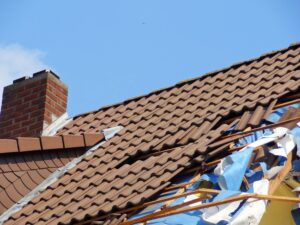
New Jersey weather can be demanding on a roof. Strong winds, heavy rain, hail, and snow each place their own strain on roofing materials. After a storm passes, it is worth taking a moment to check for visible issues.
From the ground, look for shingles that appear loose, missing, or uneven. Bent flashing near chimneys or vents can also signal trouble. Sometimes the signs are subtle. Granules collecting in gutters may suggest shingles are wearing down faster than expected.
Not all damage is obvious right away. Hail can bruise certain shingles without causing them to crack. Wind can lift materials just enough to weaken the seal. These issues often stay hidden until water finds a way inside, which is why inspections matter even when the roof looks mostly fine.
Common Roofing Materials Used in New Jersey
Most homes in the state use materials chosen for durability and cost balance.
Asphalt shingles are the most common. They handle seasonal changes reasonably well and are available in many styles. For homeowners seeking a longer lifespan, metal roofing has gained popularity. It resists wind, sheds snow easily, and requires less frequent replacement.
Slate and tile roofs are less common but still present, especially on older or custom-built homes. These materials last decades but require stronger structural support and skilled installation.
Choosing the right material often comes down to budget, appearance, and how long the homeowner plans to stay in the house. Longevity matters, but so does maintenance and repair availability.
Roofing Warranties Explained Simply
Warranties can be confusing, but they are an essential part of any roofing project. Most roofs have two types of coverage. One applies to the materials themselves. The other covers installation quality.
Material warranties protect against defects in manufacturing. Workmanship warranties cover errors made during installation. Both matter. A high-quality shingle will still fail if installed incorrectly.
Some warranties transfer to new homeowners if the house is sold. Others do not. It is worth reviewing the details carefully before work begins. Asking clear questions early prevents frustration later.
Why Installation Quality Makes a Difference
A roof is a system, not just a surface. The outer layers of the roof, including shingles, underlayment, flashing, and ventilation, should function cohesively. Faulty installation of any part will harm the entire system.
The correct installation is aimed at leading water away from seams and openings. It also ensures that flashing is tight and that there are no gaps in the sealed materials. Small errors like slightly off shingles or sealing done in a hurry will usually cause leaks that appear after several months or years.
Moreover, keen installers know the impact of local weather on roofing. Installers reflect this knowledge in how they lay down and fasten the components.
Permits and Local Requirements
Roofing work in New Jersey usually requires permits, especially for full replacements. Requirements differ from town to town, which can be confusing for homeowners handling projects on their own.
Many roofing contractors manage permits and inspections as part of the job. This helps ensure the work meets local building codes and avoids delays or fines. Skipping permits may save time initially, but it often causes problems when selling a home or filing insurance claims later.
Best Times of Year for Roofing Work
Many times, spring and fall are thought of as the best times of the year to do roofing projects. The temperature is neither too hot nor too cold, allowing the materials to be in their perfect condition for the installation. The workers can also be more comfortable in such weather.
However, the truth is that roofs are being fixed year-round in New Jersey. Ailing roofs cannot be put on hold until favorable weather comes. Expert workers modify their methods to suit the cold, the heat, or any other unforeseen situations, and, at the same time, they are able to keep the house safe.
Having the option to change the schedule can be a great help to the homeowners in letting them know the right time, especially when the seasons are crowded.
The Value of Local Roofing Experience
Roofing is not the same everywhere. New Jersey roofs deal with coastal storms, freezing temperatures, and humidity swings. Contractors who work locally understand these challenges and plan accordingly.
Local professionals are also familiar with regional building codes and inspection standards. That knowledge reduces delays and helps projects move smoothly. When issues arise after installation, local companies are easier to reach and more likely to respond promptly.
Why Many Homeowners Choose Local Roofers
Local roofing companies often rely on reputation more than advertising. Their work is visible within the community, and word travels quickly. That accountability tends to affect how jobs are handled.
They are also more familiar with insurance claim processes related to storm damage in the area. When repairs are required quickly, this can simplify a challenging situation.
Choosing local does not guarantee perfection, but it often brings a level of attention that larger, distant operations struggle to provide.
Conclusion
It is not necessary for roofing to be an overpowering affair. When homeowners grasp the essentials, the choices become more obvious. Being aware of what causes the damage, how the materials are different, and why the work of the hand is important helps in avoiding expensive errors.
The roof is the one that shelters those under it, a multi-purpose protection. Providing it with the right care at the stage when problems are still small is a way to keep the whole house in good condition for a long time.