A damaged roof can leave you wondering whether you really need to call a contractor or if it’s something you can sort out yourself. Maybe a few shingles have come loose after a storm, or you’ve noticed a damp patch on the ceiling that wasn’t there before. If you’re someone who likes taking care of things around the house, reaching for your tools might seem like a reasonable first step.
Roofing, though, is a little different from most home improvement jobs. What looks like a small repair on the surface can sometimes point to a problem that’s harder to find. And once you’re dealing with ladders, sloping surfaces and roofing materials, there’s quite a bit more to consider than whether you have the right tools.
So, when does DIY make sense, and when is it better to bring in a professional?
1. What Can You Realistically Do Yourself?
Keeping an eye on your roof doesn’t have to mean climbing onto it. In fact, some of the most useful things homeowners can do involve simply paying attention to changes around the house.
Have you noticed a water stain on the ceiling? Are there damp patches in the attic, or do some shingles look different from the rest when viewed from the ground? These are details worth paying attention to, particularly after a spell of heavy rain or strong winds.
The trouble starts when you try to fix the problem without knowing what’s causing it. A leak, for instance, doesn’t always come from the section of the roof directly above the water stain. It could be related to flashing, a roof valley or another part of the roofing system.
Replacing a damaged shingle might seem like an easy solution, but what if water is getting in somewhere else? You could spend time fixing the wrong area and still end up with the same problem.
There’s nothing wrong with being hands-on around the house. Just remember that spotting a roofing problem and repairing it are two very different things.
2. Why DIY Roof Repairs Can Be Risky
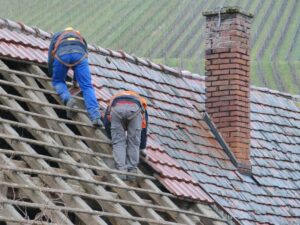
The first concern is safety. Roofs aren’t always easy to walk on, and their condition can change depending on the weather and the type of roofing material. A surface that looks perfectly manageable from the ground may be slippery or unstable once you’re up there.
Then there’s the repair itself. Roofing isn’t just about replacing whatever looks damaged. Shingles, flashing, valleys and drainage areas all have a part to play in keeping water out. If one component isn’t installed or repaired properly, the roof may still be vulnerable to leaks.
A few common problems with DIY roofing include:
- Fixing the wrong area: The visible damage isn’t always where the actual problem begins.
- Poor installation: Incorrectly fitted shingles or flashing can leave openings for water to enter.
- Overlooking other damage: A small repair may not address deterioration elsewhere on the roof.
- Making the situation worse: An unsuitable repair can leave you with more work to deal with later.
This is especially worth considering when a roof has been damaged by severe weather. A temporary patch might seem to do the job, but it doesn’t tell you whether the rest of the roofing system is still in good condition.
3. What Do You Get with Professional Roofing Services?
One advantage of hiring a roofing contractor is having someone assess the roof before deciding what needs to be done. Instead of guessing at the cause of a leak or replacing materials unnecessarily, you can get a better understanding of the problem.
Sometimes, a repair is all that’s needed. In other cases, the roof may be worn enough that replacement is the more appropriate option. The right approach depends on the condition of the existing roof and the extent of the damage.
Roof Shark provides residential roofing services across North Jersey, including roof repairs, replacements, new installations, flat roofing and drone inspections. The company also works with asphalt shingles, slate, cedar and tile roofing.
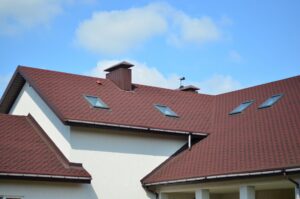
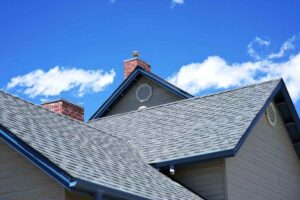
The material is important here. A slate roof, for example, has different requirements from an asphalt shingle roof. Choosing the right repair method means understanding the existing roofing system rather than treating every roof in the same way.
For homeowners dealing with recurring leaks, damaged shingles or general roof deterioration, a professional assessment can help establish whether the problem is isolated or part of something more extensive.
4. DIY vs. Professional Roofing: A Side-by-Side Look
It’s easy to focus on the money saved by doing a job yourself, but that’s only one part of the decision. The work involved, the risks and the condition of the roof matter just as much.
| Factor | DIY Roofing | Professional Roofing |
| Work involved | You handle the repairs yourself | The contractor handles the agreed work |
| Experience | Depends on your own knowledge and skills | Professional roofing experience |
| Safety | You need to manage the risks of working at height | A trained roofing team manages the work using appropriate safety precautions |
| Finding the problem | You may only identify visible damage | A professional can assess the roof more thoroughly |
| Materials | You are responsible for choosing suitable materials | Recommendations can be based on the existing roof |
| Larger projects | Can be difficult to manage without experience | Repairs, installations and replacements are available |
| Time and effort | You organise and complete the entire job | The contractor manages the agreed project |
For a homeowner who enjoys DIY, taking care of minor maintenance around the property can be rewarding. But roof repairs and replacements are not jobs to take lightly, particularly when they involve working at height or dealing with damage that isn’t immediately visible.
5. Don’t Wait Until a Leak Becomes a Bigger Problem
Most people don’t think about their roofs very often, especially when there are no obvious issues. It’s usually only when a leak appears or shingles start coming loose that the roof gets any attention.
The problem with waiting is that visible signs of damage don’t always tell the whole story. Water stains, for example, can indicate that moisture has already found its way into the property. By that stage, it’s worth having the roof checked rather than trying to cover up the immediate problem.
Roof Shark offers a 19-point roof inspection for $250. It includes a complete roof health assessment, a detailed report with photos and expert recommendations based on the findings.
The inspection looks at areas such as:
- Leaks and water damage.
- Shingle and structural integrity.
- Roof ventilation and drainage.
- Flashing, valleys and skylights.
- Attic and fascia condition.
For homeowners who aren’t sure whether their roof needs a repair or a complete replacement, this kind of assessment provides a starting point. You can see what has been identified and consider the recommended work before making a decision.
6. When Should You Stop Considering DIY and Call a Roofer?
Some roofing problems are difficult to judge without professional experience. If you’re noticing any of the following, it’s a good idea to have the roof assessed:
- Shingles that are cracked, missing or visibly damaged.
- Water stains appearing on ceilings or walls.
- Leaks that keep returning, even after previous repairs.
- Sagging or noticeable changes in the roof’s appearance.
- Damage following hail, strong winds or severe weather.
- Roofing materials that appear worn or deteriorated.
Storm damage is particularly important because the extent of the problem may not be obvious from the ground. Roof Shark handles storm-related roofing work, including emergency repairs, leak repairs and roof tarping. Its services also cover damage associated with hail, wind, snow and ice, as well as assistance with roof damage insurance claims.
If you suspect your roof has been affected by a storm, avoid climbing up to check it yourself. A professional assessment is a safer way to find out what has happened and what repairs may be needed.
7. What Should You Look for in a Roofing Contractor?
Finding someone to work on your roof shouldn’t come down to choosing the lowest estimate. You also want to know what the contractor is actually proposing to do and whether the work addresses the problem you’ve reported.
Before agreeing to a project, ask for a clear explanation of the recommended repairs or replacement. Find out which materials will be used, what the estimate covers and whether any workmanship or manufacturer warranties are available. It’s also worth asking how the property will be protected and cleaned up once the work is finished.
Roof Shark is a family-owned roofing company based in Garfield, New Jersey, serving homeowners across North Jersey. Its residential services cover repairs, replacements, inspections and new roof installations. The company also emphasises clear communication, fair pricing and timely project completion, with free estimates available for homeowners considering roofing work.
Having these conversations before work begins can help avoid confusion later, particularly when a project involves more than a straightforward repair.
Final Thoughts
It’s understandable to want to save money by handling home repairs yourself. But when it comes to roofing, the question shouldn’t just be whether you can do the job. It’s whether you can do it safely and whether the repair will actually solve the problem.
Keep an eye out for changes, pay attention to signs of leaks and don’t ignore damage after a storm. Those small steps can help you recognise when something needs attention. For the actual repair or replacement, getting the roof properly assessed is often the better way forward.
If you’re a homeowner in North Jersey and aren’t sure what your roof needs, Roof Shark offers inspections, repairs, replacements and installation services. Starting with an assessment can help you understand the condition of your roof before deciding how to proceed.